For quite a while I had ruminated over the idea of doing something a bit different and challenging as some of my flying interests had flattened out somewhat. As far back as 2017 I had the thought pass through my mind to perhaps one day attend a course of float plane training in some far-flung place not so close to home. Some other pilots that I hung around with had made various statements of similar ideas and in one case had gone and done a float course I think in Moruya NSW.
Looking at google repeatedly in late 2025 I eventually convinced myself that taking such a course in Alaska USA was very much to best course of action, as I had converted my Australian licence to a US certificate back in 2023 on another holiday to the US. I settled on training provider - Alaska Float Ratings, Moose Pass AK.
The process to enrol was none too difficult and I booked in for 1st of June for the 5 day / 10 hour extended course with lodging, on the floatplane base. After arriving in Anchorage, I spent the next day adjusting to (almost) 24h of daylight and a little jet lag.
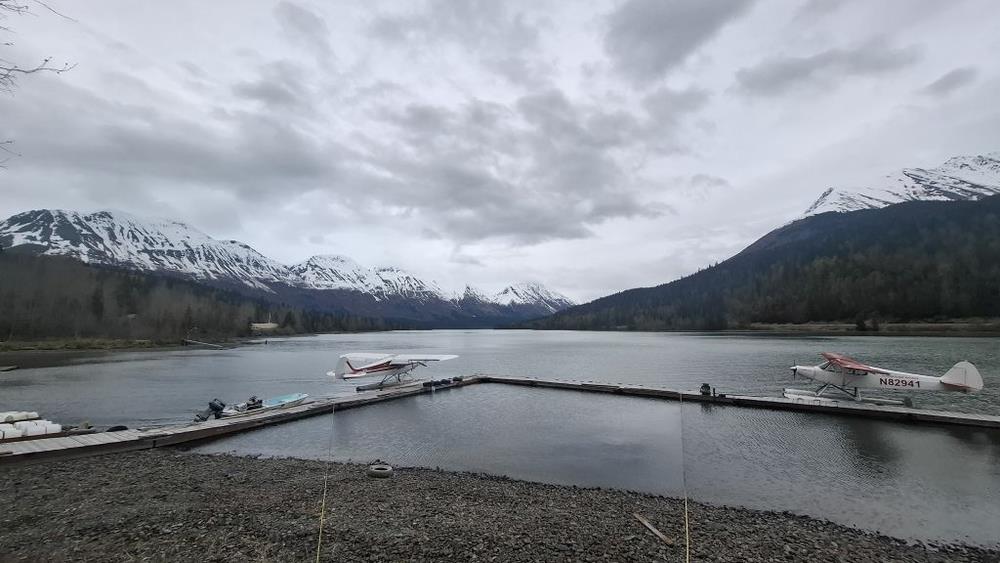 ---->>>>----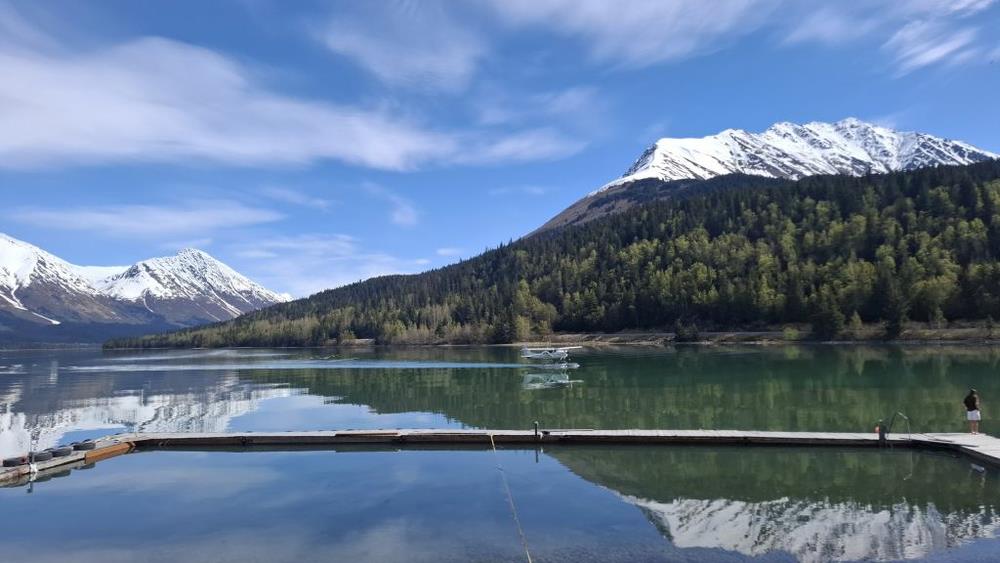
Day 1 on the course was weathered out so ground school was the focus of the day, not to mention getting on top of the last day assessment material was a good way to make best use of the day. Not to mention, making friends with the other students and staff, the local pub staff and generally taking in the location.
Days 2-4 were getting in as much flying as possible with the PA-18-150 which mostly consisted of splash-and-go’s and getting the feel of flying floats. This part is the most fun as there are some many factors and techniques that must be learnt for the first time and then repeatedly practiced until it became second nature. Afterall, flying off the water requires a sharp eye for any small thing that may result in tipping the aircraft over.
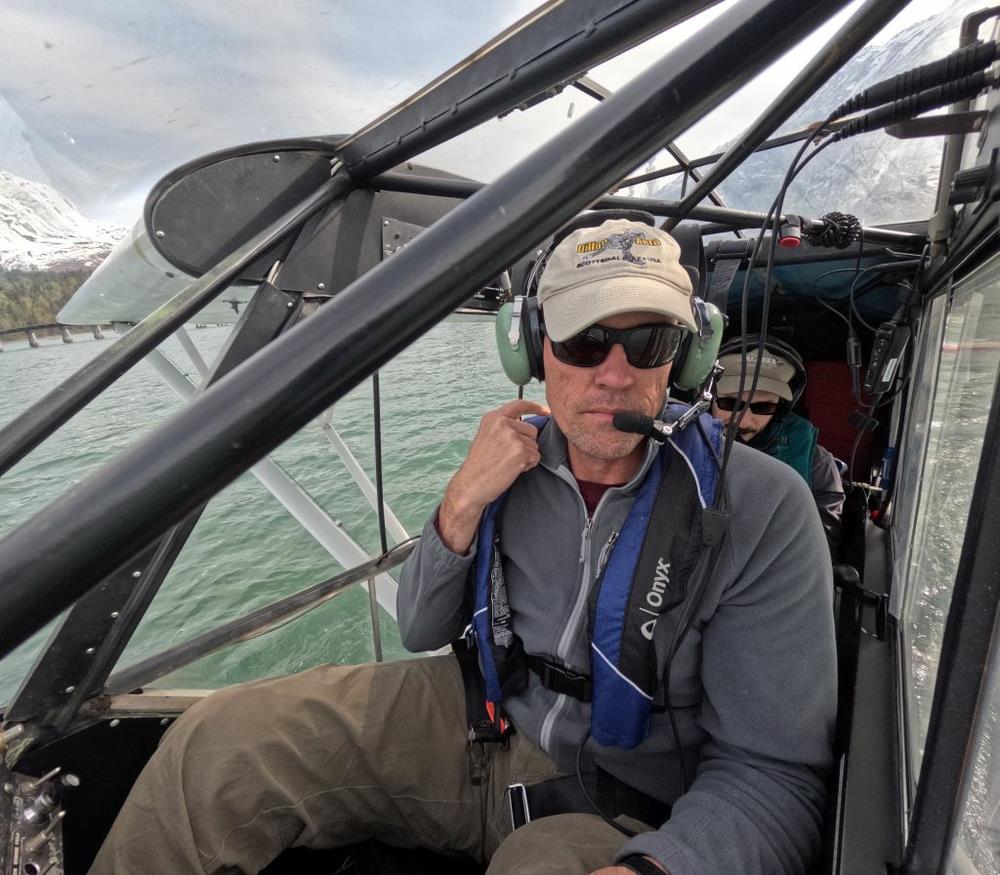 ---->>----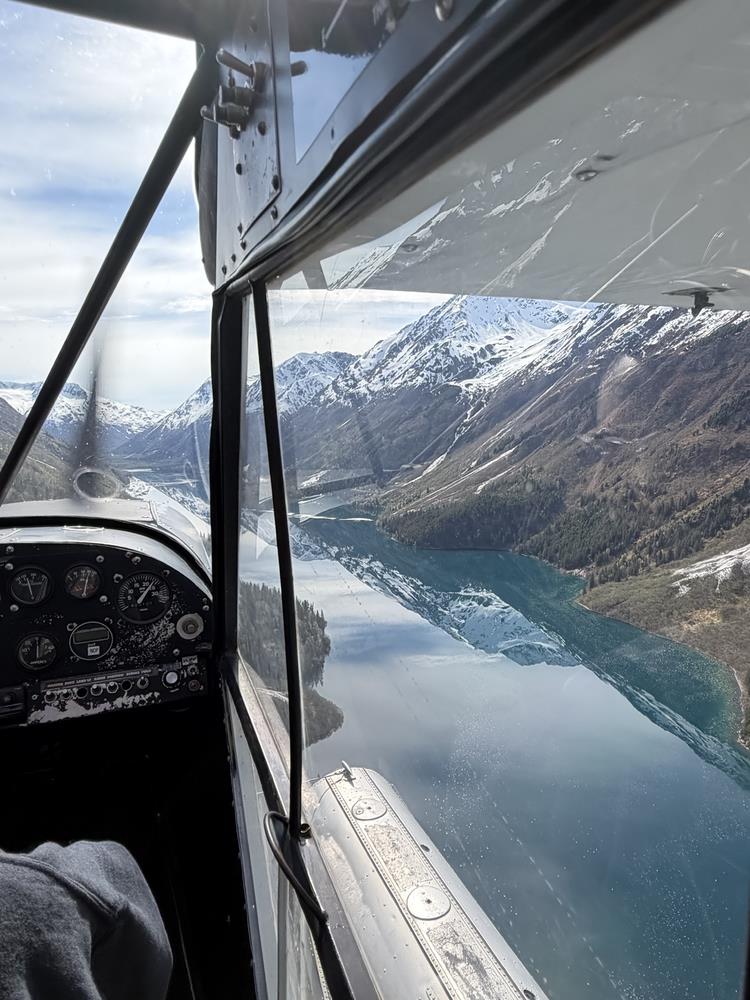
Over these days, it truly is difficult to not be taken in by the sheer scale of scenery that the local area has to offer. You will fly right up against the side of the valley wall, fly circuits close to hillside walls, skim over tree tops and structures, take off and land in arcing lines, fly level with mountain tops when transiting between lakes and if brave (I was) go for a dip in a glacier-fed lake which will take the breath out of your lungs. In fact, it is hard to hold onto your breath as there is just too much beautiful scenery to take in anywhere you look. Broadly speaking, I think this is the point in the training where the Alaska floatplane flying bug really sinks it teeth into you and I was already wishing to just stay.
About flying these machines. The task of learning to fly floats from a start is not a difficult one owing to the very nice person in the back seat. The instructors sure are committed individuals who know their craft and rightly so, they really are doing something quite different. From the get-go you will be conducting most of the activities of idle/plough/step taxiing and be in the air before you know it with your first takeoff. Keeping that floatplane’s “toes” out of the water is paramount as you must be vigilant with the nose attitude and trim for least friction when accelerating on-water.
Landings really are the thing to be laser-focused with as choosing the correct technique per water/wind conditions changes the requirement each time. “Glassy” water sounds calm and appealing to most folks but it is the floatplanes pilot’s occasion to be guarded and set those floats down butter-smooth and with reference to a nearby shoreline feature (hug that shoreline). You will see what I mean when you conduct your round-out and set it down with small amounts of power and – patience.
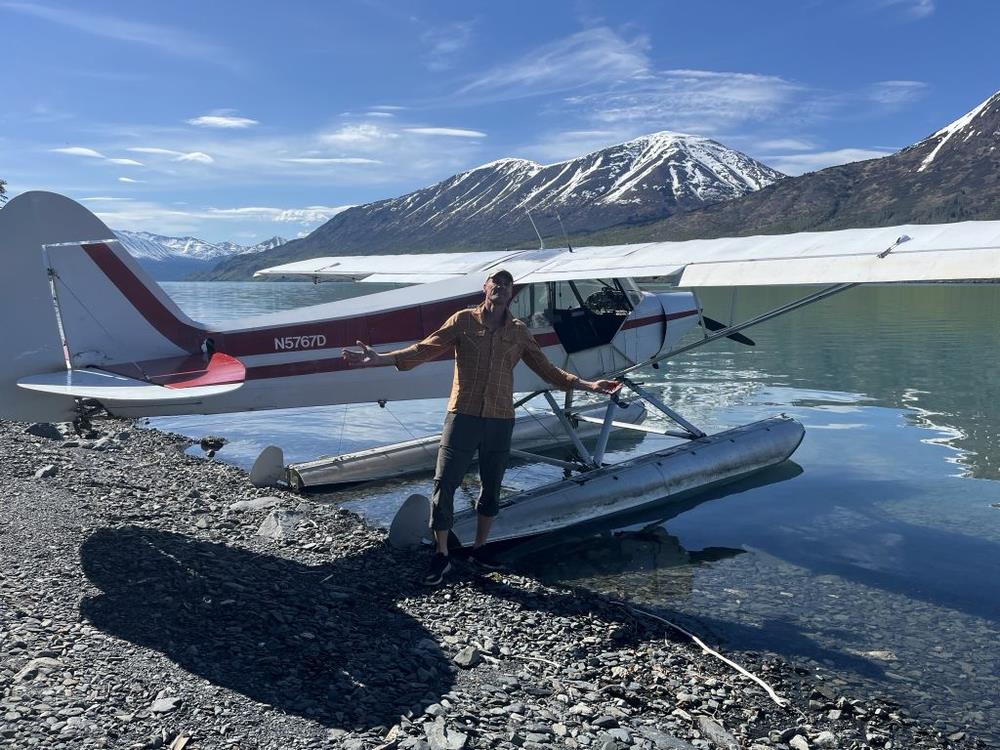 ---->>----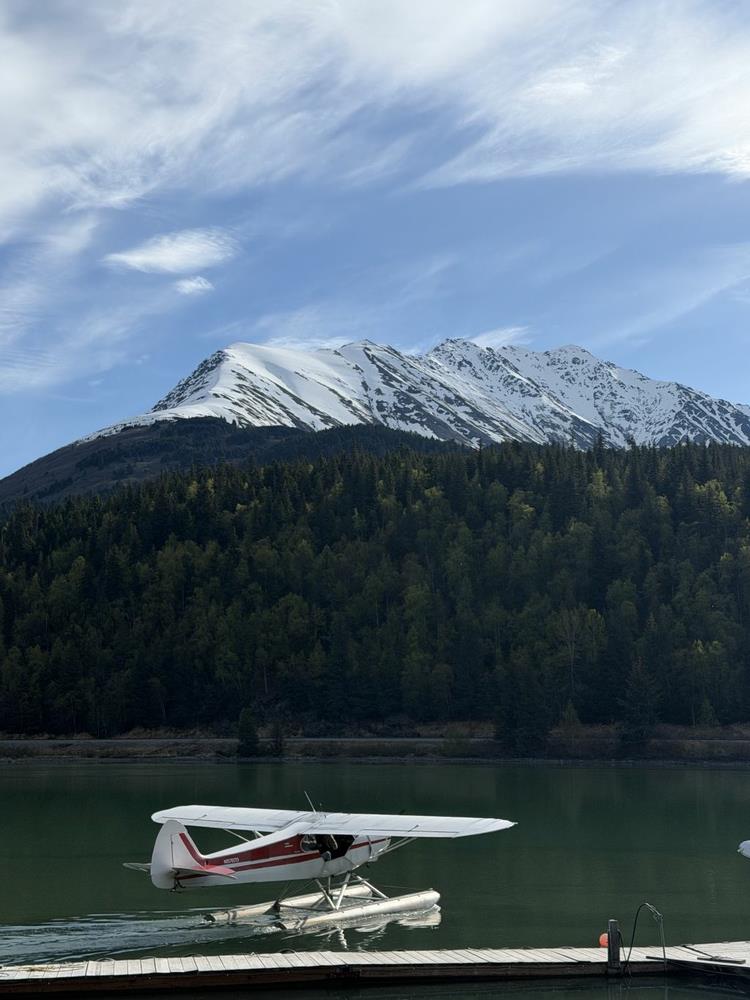
The PA-18-150 is a nice platform to mount the Edo-2000 floats and the single up-front seat for the trainee provides such a great pilot perspective, but hard work for the instructor (oh well!) to look over your shoulder. It gets off the water readily, flys like a beauty when up and away and then taking it afield to nearby glaciers and ice fields, you just don’t miss that this airplane is in its element much as you are.
Come checkride day you feel as relaxed as you can be because it’s just too damn hard to be stressed in a place like Moose Pass! The water is calm, sun shining brightly, not a cloud in the sky and very peaceful. Can I mention that I felt for the first time in a long while, that I had a quiet-mind. What’s that? It just means that I was only thinking about flying and nothing else, truly a nice state to be in.
The DPE was calmly professional and runs the assessment with a steady hand. You respond to their requests and enjoy the opportunity to recall what you have had the pleasure to learn all week. As the assessment rolls through, quiet confidence hangs in the cabin and somehow you wish it would continue until the fuel gauges let you know it time to return to base. See? that’s the problem with flying floats🙂.
All good things come to an end and returning to Anchorage was a little tough as I felt it just was all over too quick. Not to worry as I planned some rentals with a C172 out of Merrill Field to continue the sight seeing around the 100-150nm area. First part was to knock out a checkflight which to the uninitiated, is pretty much standard for anywhere you pickup a rental in the USA and that’s no exception anywhere else I think.
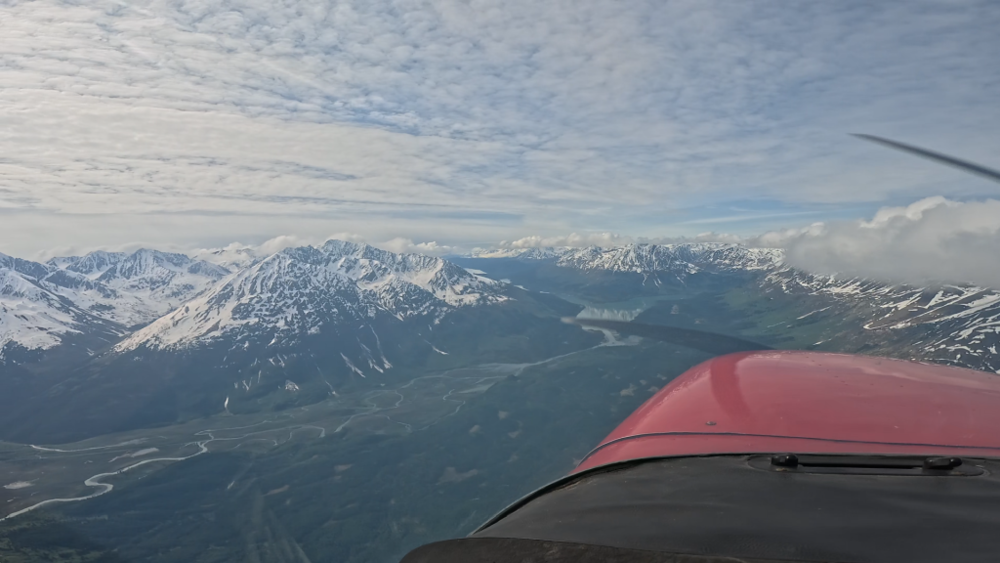
We tried to get up to the Knik Glacier but were forced away due to strong winds. The next few flights over the following two days took me to locations such as Homer, Seward and Talkeenta. Some very notable locations was flying over the Harding ice field near Seward and all the snow capped mountain passes when transiting the routes to and from various airports.
 ---->>----
The reader has to know that flying in the mountains and valleys is just everyday stuff for folks in Alaska. Flying around the valley floor for circuits on the lakes? – normal. Flying around all day at 500ft AGL amongst the hills? – normal.
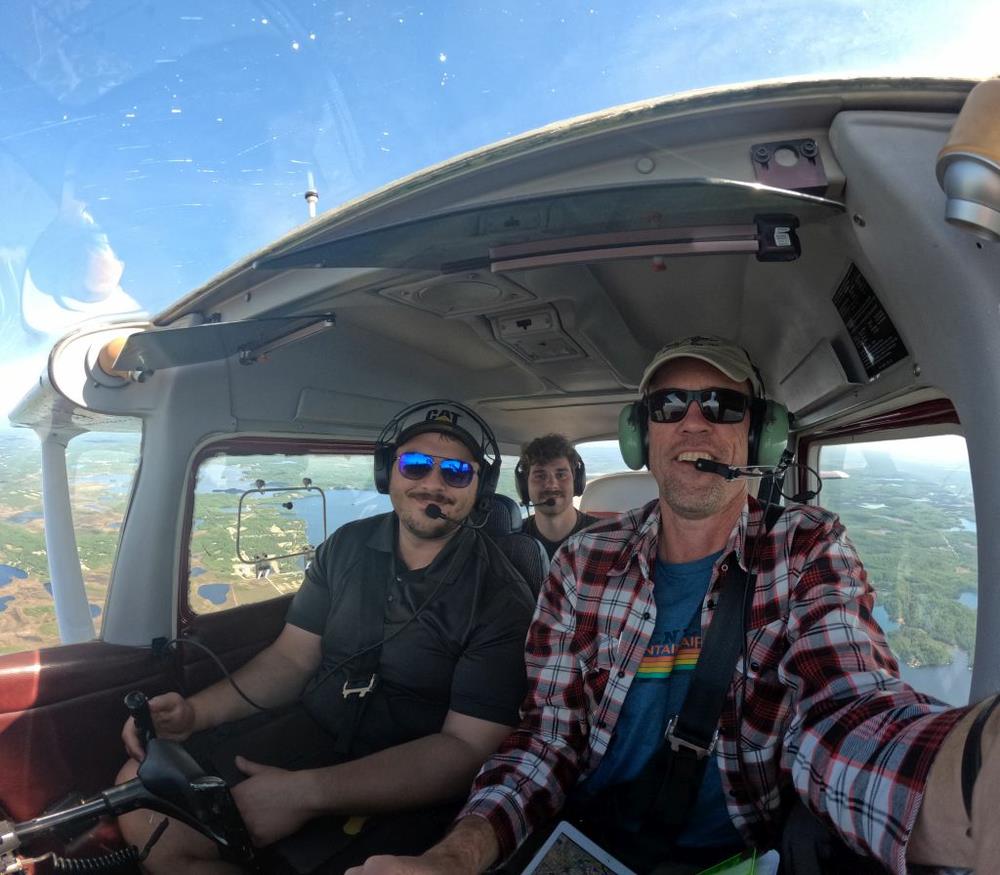
One thing I should not forget to mention is the people. In the first week at the float base, hanging out with other pilots and just shooting the breeze was a great way to form aviation contacts. In some way it’s given me another reason to return to the States and perhaps catch up with them again to go flying. In the last two days I was flying from Anchorage I managed to rustle up some other pilots to come along on these flights and what a way to really see how things are done locally. I cannot recommend enough having a co-pilot when navigating the airspace and comms. Oh yes and it should be said that Alaskan pilots are just great people and only too happy to help.
Wrapping up here I must impress on the reader, that if you can make it happen before you finally hang up your headset, give it a go. Sure there are a few places in Australia where one can do a float course but Alaska in June, well, is really something else.